Best Puppy Playpen: 4 Picks for a Safe Daytime Space
The best puppy playpens for a safe daytime space, what height and size to buy so your pup can't climb out, and how to set the pen up for potty training. Honest picks with a plain note on why.
A playpen buys you something every new owner runs short on: a safe place to put the puppy down. It gives a curious pup room to stretch, play, and potty on a pad while you cook, work, or just need both hands free. Get the right one and it folds away in seconds and lasts well past puppyhood.
Below are the four picks we'd set up for a new puppy, from the pen itself to the floor mat that saves your carpet. Each comes with a plain note on why it earns its spot, and the sizing math so you buy a pen your puppy can't climb out of.
In this guide
| Type | Best for | Price range | |
|---|---|---|---|
| Metal Exercise Pen | Most homes, fully configurable | $$ | Check price → |
| Tall Exercise Pen | Bigger or bouncy puppies | $$ | Check price → |
| Soft Fabric Playpen | Travel and small breeds | $ | Check price → |
| Washable Floor Mat | Protecting carpet and floors | $ | Check price → |
Our four picks for a new puppy
This is the setup most owners actually use: a configurable metal pen for the day-to-day, something soft on the floor to catch spills, a chew to keep the puppy busy inside it, and a crate to pair the pen with for sleep.
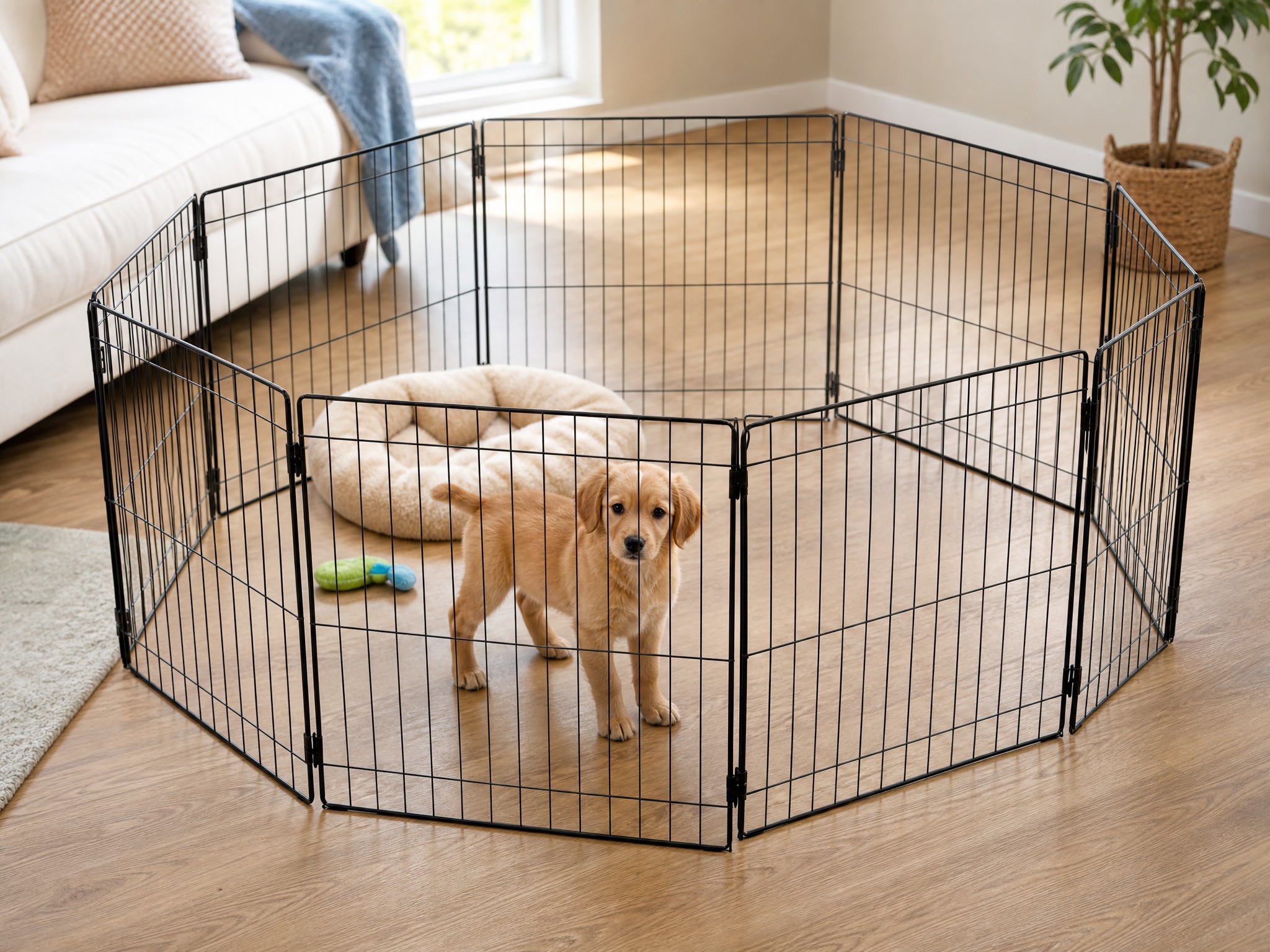
Metal Exercise Pen
A folding wire pen is the workhorse of the puppy years. The panels reconfigure into a square, a rectangle, or a long run, so you can shape the space to your room and open it up as your puppy earns more freedom. It folds flat for storage and wipes clean after the inevitable accident.
Look for a height your puppy can't clear and a panel count that gives real room to move. Eight panels make a generous square; add more for a bigger run. Anchoring feet or ground stakes stop a determined pup from shoving the whole pen across the floor.
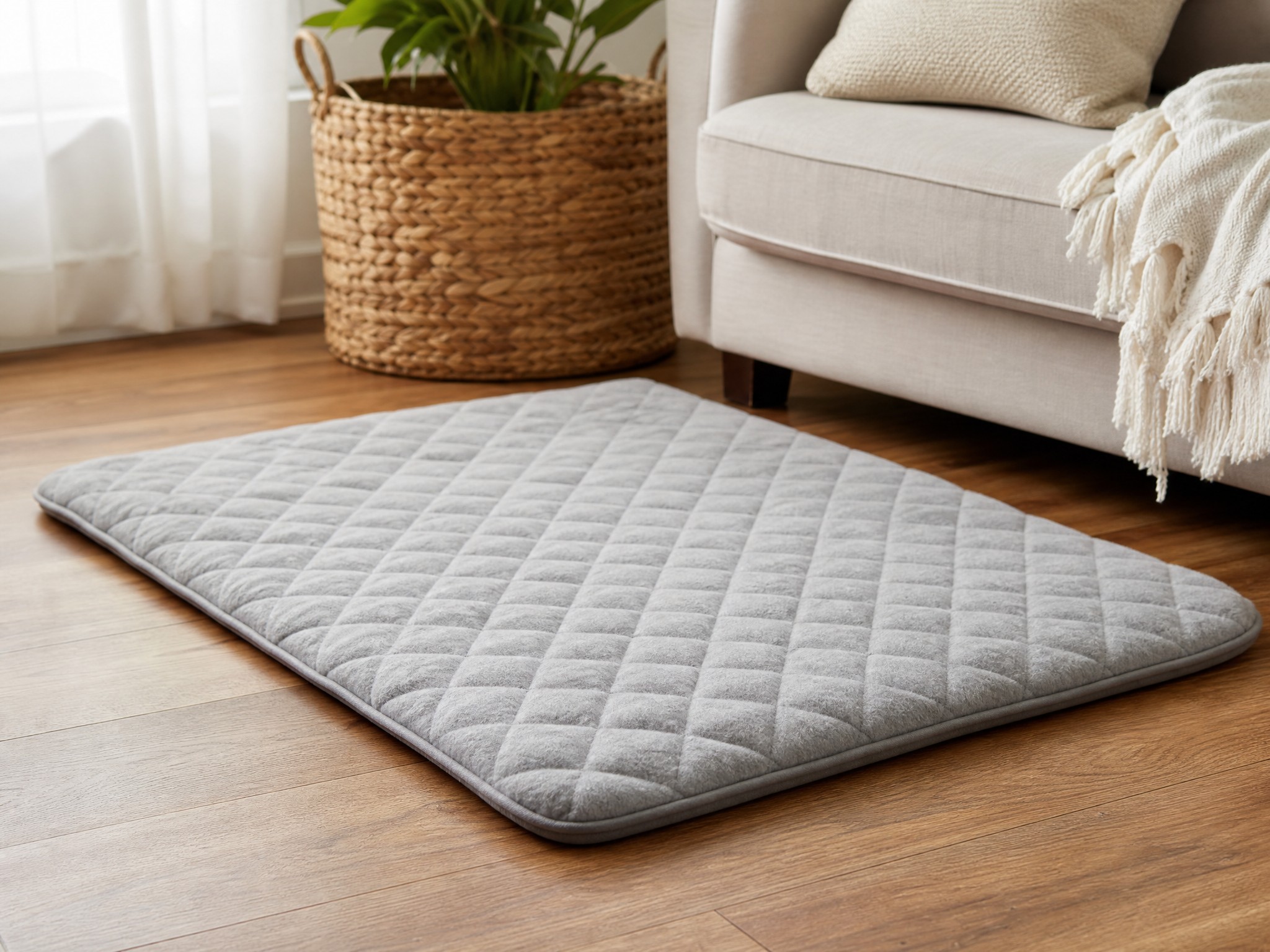
Washable Floor Mat
A wipeable, washable mat under the pen protects your carpet from muddy paws and pad misses, and gives your puppy a non-slip surface to play on. Pick one a little larger than the pen footprint so the edges are covered, and choose a material you can hose off or machine wash.
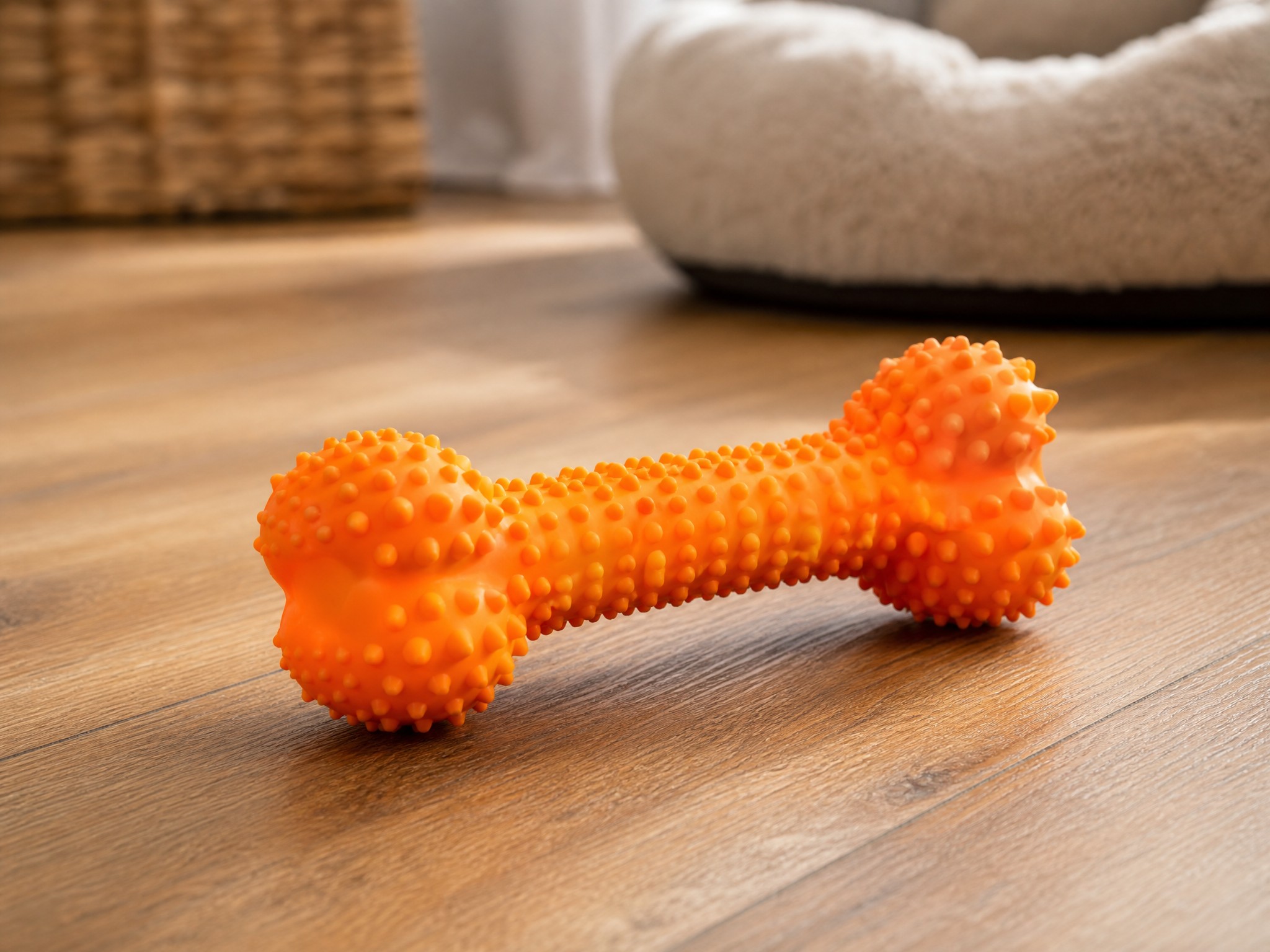
Stuffable Rubber Chew
A puppy left in a bare pen gets bored and noisy. A rubber chew you can fill with a little food and freeze turns pen time into quiet time, and it channels teething energy onto something that isn't the panels. Keep one ready in the freezer during the sharp months.
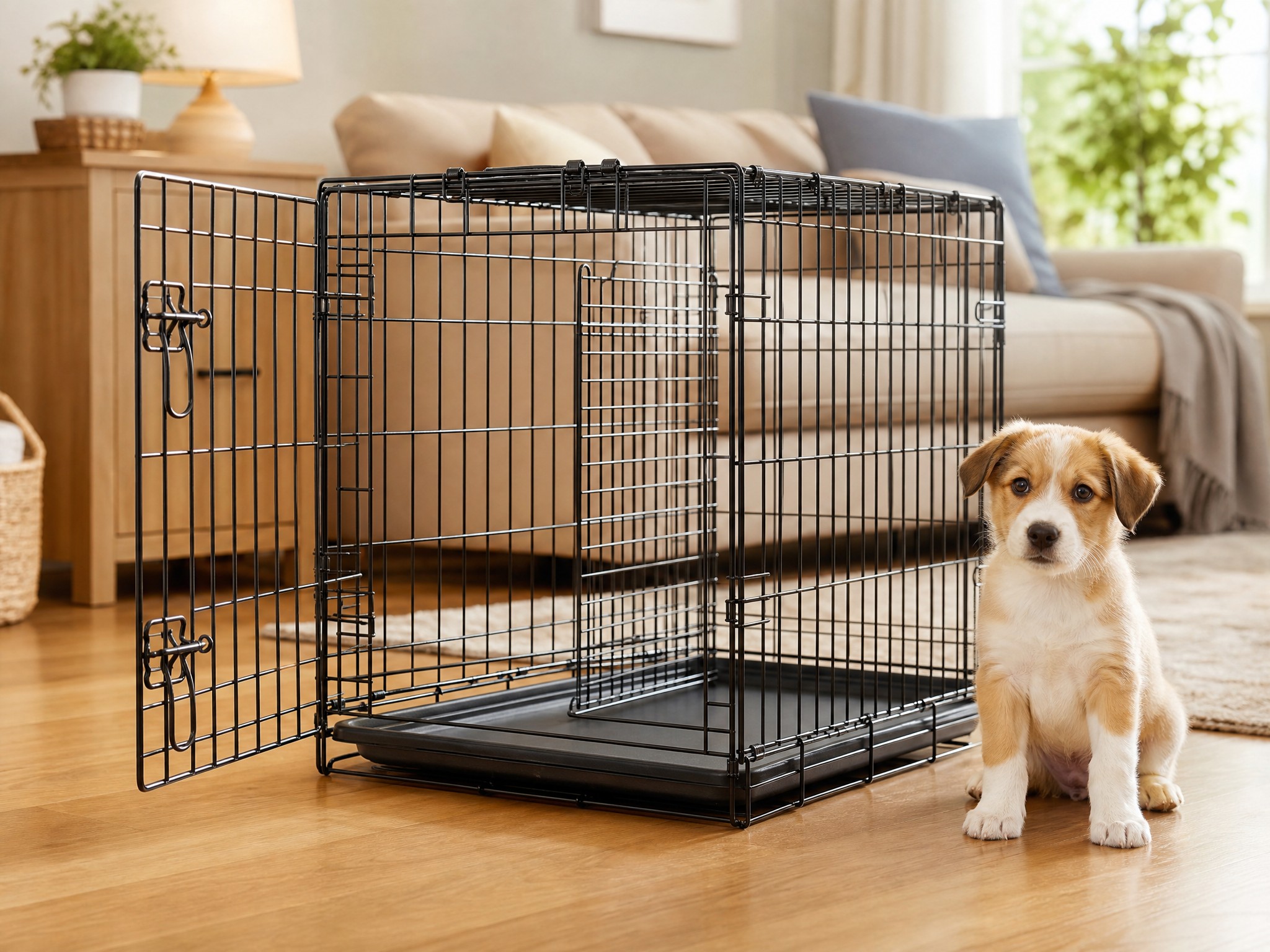
Wire Crate with Divider
A pen handles supervised daytime hours; a crate handles sleep and potty training. Set a crate inside or beside the pen and you have a complete setup: a den to rest in and a yard to play in. The divider keeps the crate puppy-snug now and opens to full size later.
As an Amazon Associate this site is designed to earn from qualifying purchases. Product buttons are affiliate links — buying through them may earn us a small commission at no extra cost to you, and never changes what we recommend. Full disclosure.
What size and height to buy
Two numbers matter more than the brand on the box: how tall the pen is, and how much floor it covers.
- Height first. A puppy that can hook its front paws over the top can climb out. As a rough guide, a 24 inch pen suits small breeds, 30 inch suits most medium puppies, and 36 to 48 inch panels are safer for large or jumpy pups. When in doubt, go taller.
- Then floor space. The pen needs room for a bed at one end, a pad or potty spot at the other, and a bit of play space between, so the puppy doesn't have to sleep next to where it goes. An eight-panel pen gives a comfortable square for a small or medium puppy; size up for bigger dogs.
- Match the material to the puppy. Metal pens are the most secure and the easiest to clean, which is why most owners start there. A soft fabric pen is lighter and better for travel or a calm small breed, but a strong chewer will work on the mesh, so it isn't the one to leave a teething puppy in unsupervised.
Not sure how big your puppy will get? Ask your breeder or shelter, or check the breed average, and buy for the adult size. For the full container setup, the crate vs. playpen comparison lays out exactly when you reach for each, and the best crates roundup covers the den side of the equation.
Where to put the pen
Set the pen up in a room where the family already spends time, like the kitchen or living room, so your puppy can be near you while staying contained. A pen tucked away in a back bedroom just gets ignored, and a young puppy left alone in a quiet room is more likely to bark and dig at the panels. Put it on a hard floor or over the washable mat, away from cords, blinds, and anything within reach of the bars.
Inside the pen, give every corner a job. A bed or crate at one end, a water bowl that clips to the panels so it can't tip, a potty pad in the far corner, and a chew or two in the middle. That layout supports potty training, because a puppy with room to move will naturally go away from where it sleeps. To set the routine that goes with it, see our potty-training guide, and to shop the full range of pens, crates, and beds, visit Crates & Beds in the store.
Shop the full category
See every pen, crate, bed, and mat pick in one place, organized by what it's for.
Questions owners ask
Get the free New-Puppy Checklist
Put the whole first month on one page — supplies, setup, and the routine that keeps training on track.
Get the Free Checklist