Best No-Pull Harness for Puppies: 4 Picks for Easier Walks
The best no-pull harness for puppies plus the leash, long line, and collar to go with it, with fit tips for a fast-growing pup. Honest picks and why we chose each.
A good harness makes those first walks easier on both ends of the leash. For a puppy still learning that pulling gets them nowhere, a front-clip harness eases the strain without putting pressure on a developing throat, and it gives you gentle steering while the lessons sink in.
Here are the four picks we'd start a puppy on: a front-clip harness, the right leash, a long line for recall practice, and the collar and ID that should be on your dog from day one.
| Product | Best for | Price range | |
|---|---|---|---|
| Front-Clip Harness | Easing early pulling | $$ | Check price → |
| 6-Foot Leash | Everyday walks and training | $ | Check price → |
| Long Training Line | Safe recall practice | $ | Check price → |
| Collar & ID Tag | Identification, from day one | $ | Check price → |
Our walking-gear picks
You don't need much to walk a puppy well. These four cover everyday walks, loose-leash training, and recall, plus the ID that keeps your dog safe.
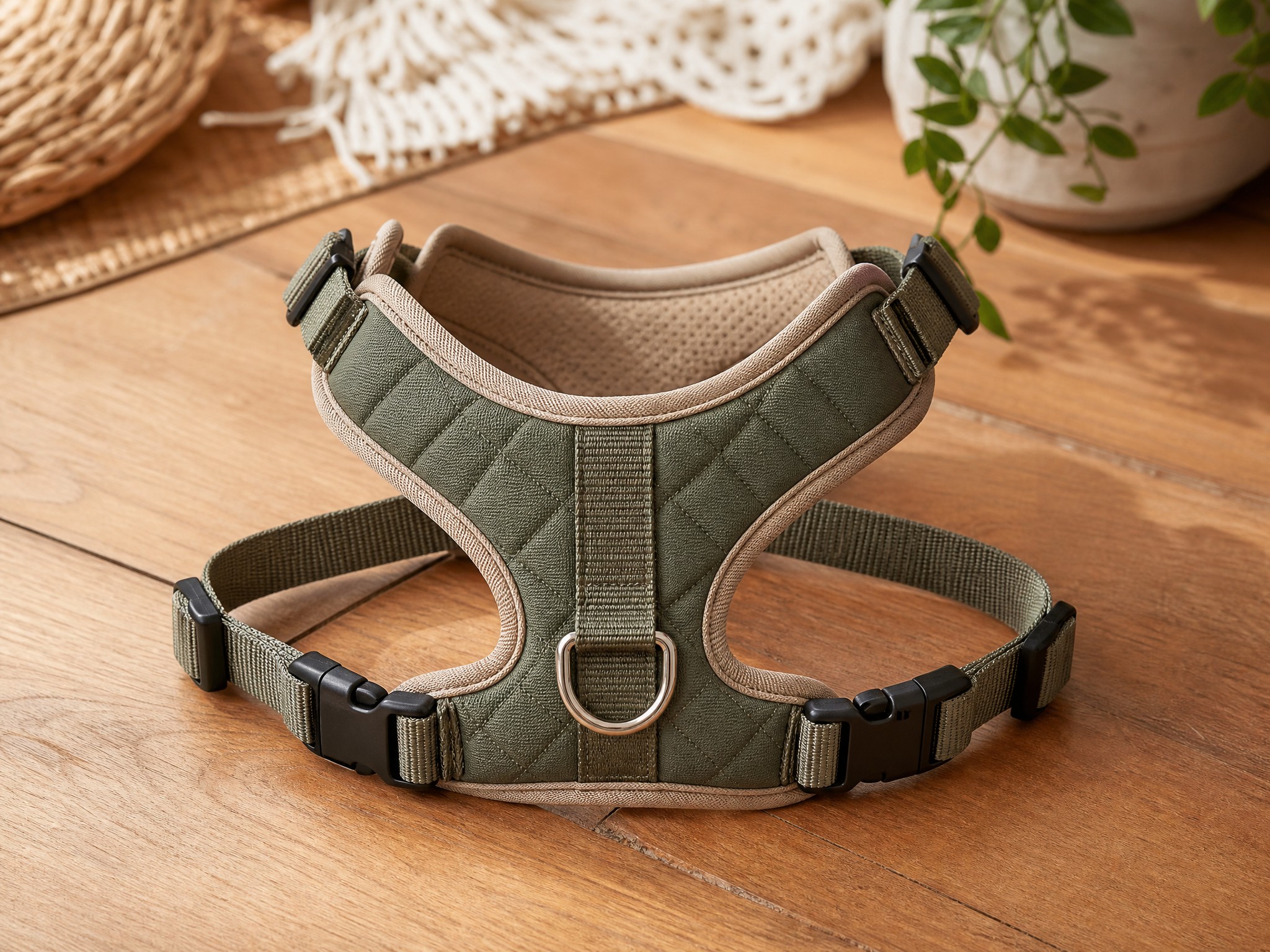
Front-Clip Harness
A harness with a chest clip turns a pulling puppy gently back toward you instead of letting them lean into a collar. It takes pressure off the throat and gives you steering while you teach loose-leash walking. Look for adjustable straps so it keeps fitting as your pup grows.
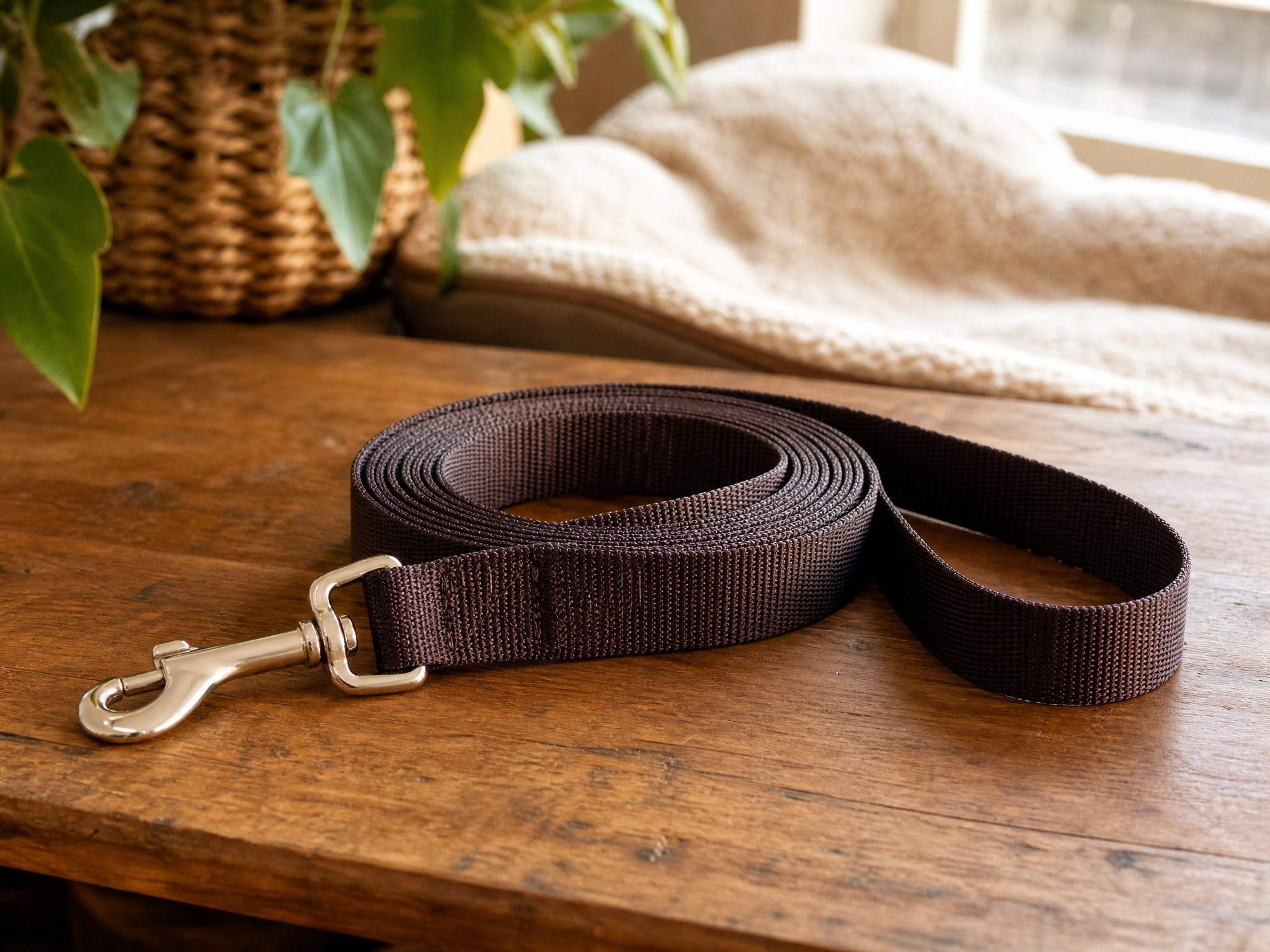
Standard 6-Foot Leash
A simple, well-made six-foot leash is the right tool for walks and training. Skip retractable leashes while you're teaching manners: they reward a dog for pulling to extend their range, which is the opposite of the lesson.
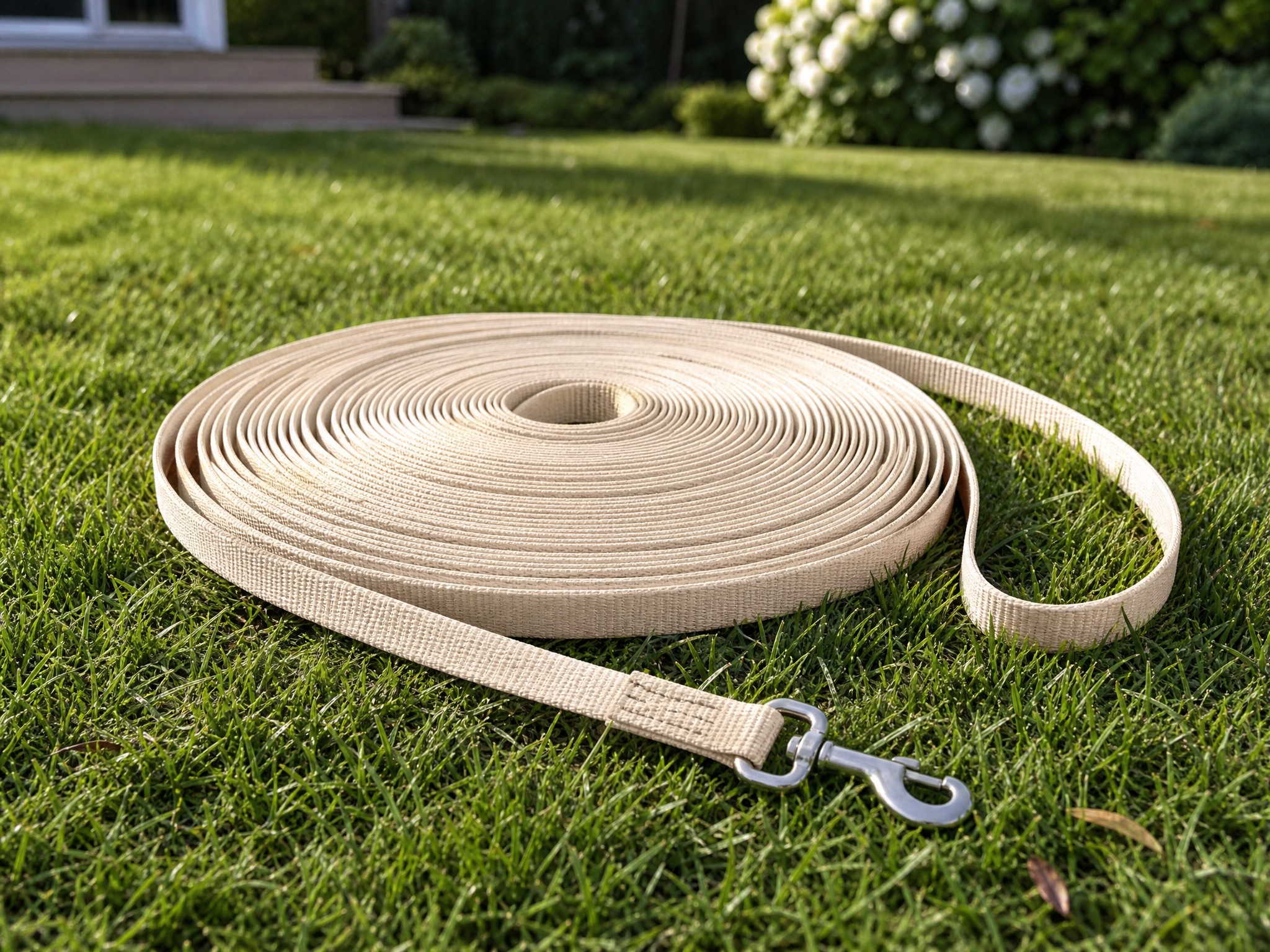
Long Training Line
A fifteen to thirty foot line lets you practice a reliable 'come' with freedom and a safety net, before you ever trust your puppy off-leash in the open. It's the cheapest, most useful recall tool there is.
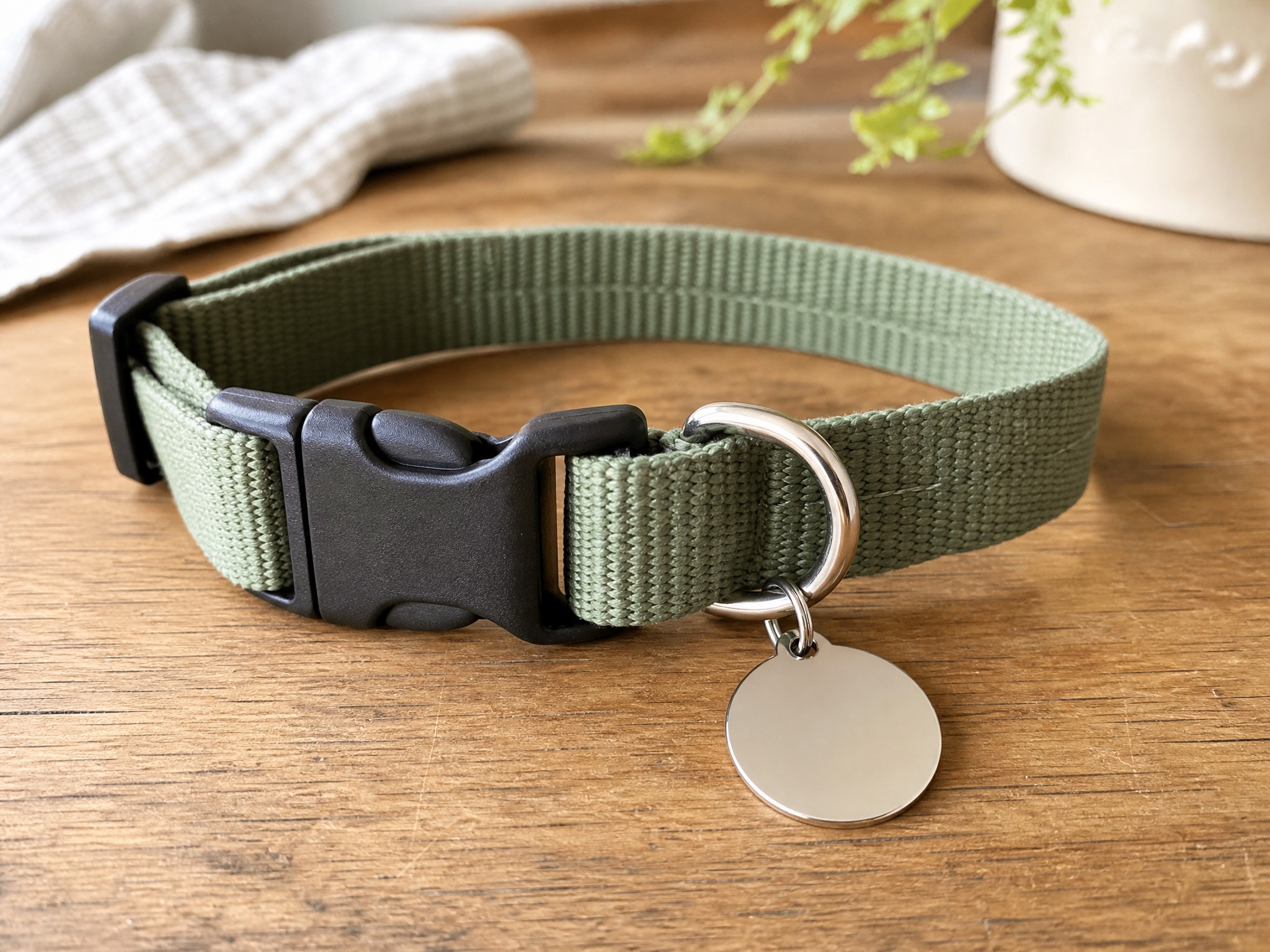
Adjustable Collar & ID Tag
A flat collar with an ID tag belongs on your puppy from day one, even indoors. Adjustable sizing keeps up with a fast-growing neck, and a clear tag is the quickest way a lost puppy gets home.
As an Amazon Associate this site is designed to earn from qualifying purchases. Product buttons are affiliate links — buying through them may earn us a small commission at no extra cost to you, and never changes what we recommend. Full disclosure.
Getting the fit right
Half of harness problems are really fit problems. Two checks keep it comfortable and secure:
- The two-finger rule. You should be able to slip two fingers under any strap. Looser than that and a puppy can wriggle out; tighter and it rubs.
- Recheck often. Puppies grow fast, and a harness that fit last month can pinch this month. Adjust the straps every couple of weeks during the fastest growth, and replace it once it's maxed out.
Introducing the harness without a fight
Some puppies freeze the first time a harness goes on, which is normal. Make the harness predict good things rather than spring it on them. Let your puppy sniff it, feed a treat, then drape it over their back and treat again. Over a few short sessions, build up to clipping it on for a minute indoors while you hand out treats, then a few minutes of play with it on. By the time you head outside, the harness already means "fun is coming," not "something strange is happening."
Watch for rubbing under the legs and at the chest in the first week, since that's where an ill-fitting harness chafes. A little petroleum-free balm and a quick strap adjustment usually fixes it; persistent raw spots mean the harness doesn't fit and it's time to size up. Wondering whether to clip the leash to a harness or a collar? The harness vs. collar guide covers when each one wins. To put the gear to work, our leash training basics teach the loose-leash rule from the first walk.
Shop the full category
Treat pouch, clicker, harness, leash, long line, and ID in one place.
Questions owners ask
Get the free New-Puppy Checklist
Put the whole first month on one page — supplies, setup, and the routine that keeps training on track.
Get the Free Checklist